
Central Resident Records by Source
No single official database lists every person in Central. A solid resident lookup asks a different question first: which public record ought to hold the connection? Property rolls speak to ownership. Court indexes name parties. Vital records document an event, and only eligible requesters may reach them. The date and the role matter just as much as the name itself.
| Record | What It Confirms | Official Route | Access Limit |
|---|---|---|---|
| Assessment | Owner, mailing lead, situs, assessment number | EBR SmartCAMA | Owner is not an occupant |
| Voter registration | Identity fields supplied by the user | Louisiana Voter Portal | Public fields are limited |
| Civil court index | Party role, suit number, filing date, cause | EBR Clerk Connect | Index first; copies may cost |
| Vital records | Birth or death event and eligible family links | LDH and EBR Clerk | Current certificates restricted |
| License or entity | Credential, agent, qualifier, or company | Louisiana boards and SOS | Role does not prove residence |
Begin with the least sensitive record that fits the question. An obituary can establish a dated family link. Pair it with a succession file for a deceased relative or a possible heir. Note what each result fails to prove, too.
Central only incorporated in 2005. That date is itself an identity check. Older filings may sit under Baton Rouge, Greenwell Springs, Pride, or Comite. Some may sit under unincorporated East Baton Rouge Parish. A long-time resident can vanish from a Central-only query for that reason alone. Search those place variants. Keep each source's original place label and date in your notes.
Looking Up Central Court Parties
The EBR Clerk Connect Civil Inquiry indexes civil cases by name. It covers East Baton Rouge Parish. Central matters filed in the 19th Judicial District Court surface through the parish Clerk. The city runs a Mayor's Court as well. That court publishes no online docket for the public. Tickets written by Central City Police go through the Clerk's Traffic Department. They do not go to Baton Rouge City Court.
| Search control | Use | Portal note |
|---|---|---|
| Search Type | Suit number or name mode | Changes the text field |
| Suit Kind / Cause | Case category | Options are dynamic |
| From / To Date | Filing date span | Narrow dates reduce false matches |
| Last / First Name | Party name | First name may be optional |
| Attorney / Barroll | Case identifier | Autocomplete control |
A search row can show suit number, plaintiff, defendant, caption, filing date, and cause, with a link to case detail. The row alone proves no fault and no outcome. Confirm the party's role, the docket entries, the disposition, and any later filings. The official civil search opens the live interface.
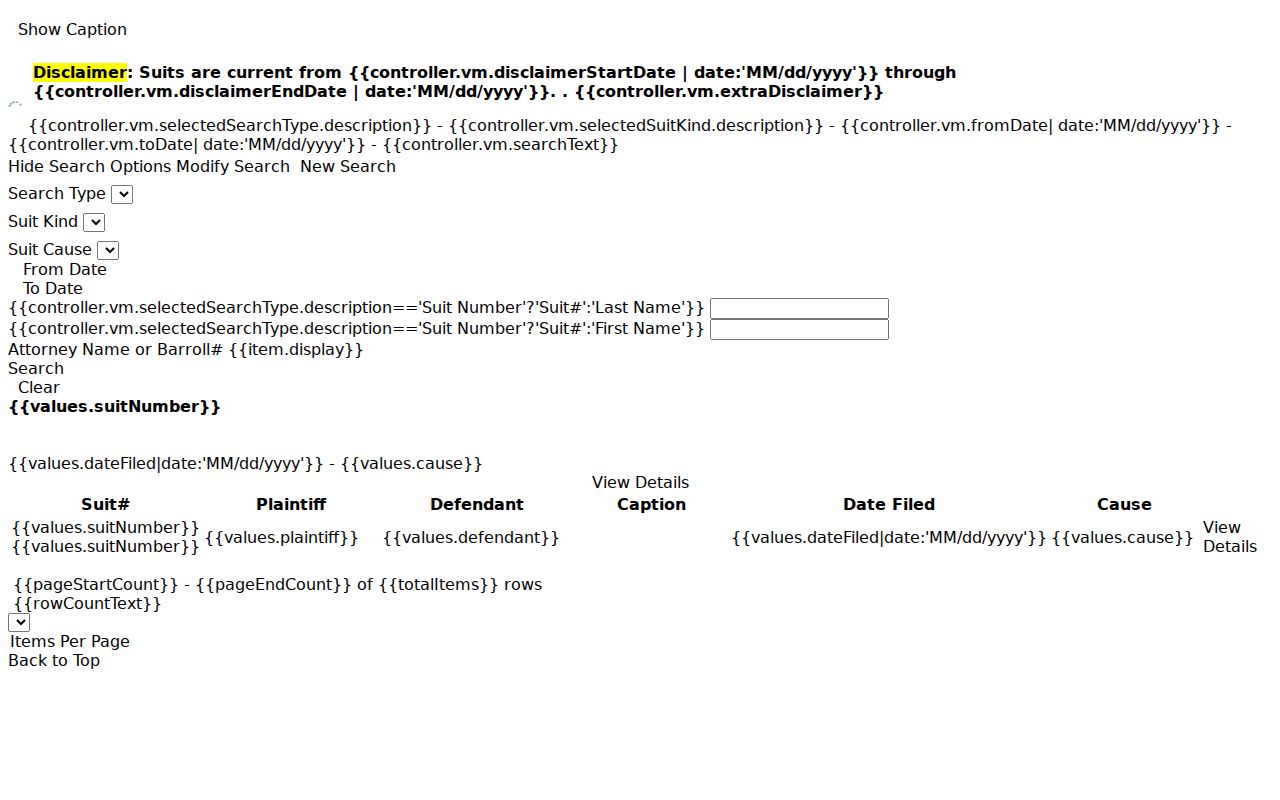
Need more than the online case detail? Call the department with the suit number handy. Civil suit records answer at 225-389-3972, and requests for a civil search certificate go to 225-389-3950. Keep the dates in mind here. Paperless civil records began in 2018, and most paper files stopped after October 1, 2020, subject to stated exceptions.
Older case numbers can point to a different building or to the Archives, so confirm the location before a trip. Viewing a file in person costs nothing. Copies and certification follow the Clerk's posted fee schedule.
Confirming Central Voter Details
The Louisiana Voter Portal requires a few identity fields. You supply a first name, last name, ZIP code, and birth month and year. Those fields do real work separating people who share a name. The portal excludes Social Security numbers and email. Full birth dates, mother's maiden name, and assistance information are left out too. It also keeps voter records and address records deliberately unlinked.
Use only what the portal displays. A missing result can mean several things. It might be a spelling change, an old registration, a wrong ZIP, or a protected record. For confirmation, the East Baton Rouge Registrar of Voters holds final authority at 225-389-3940. No public collection of Central poll books exists. The official voter search shows which identity fields you must supply.
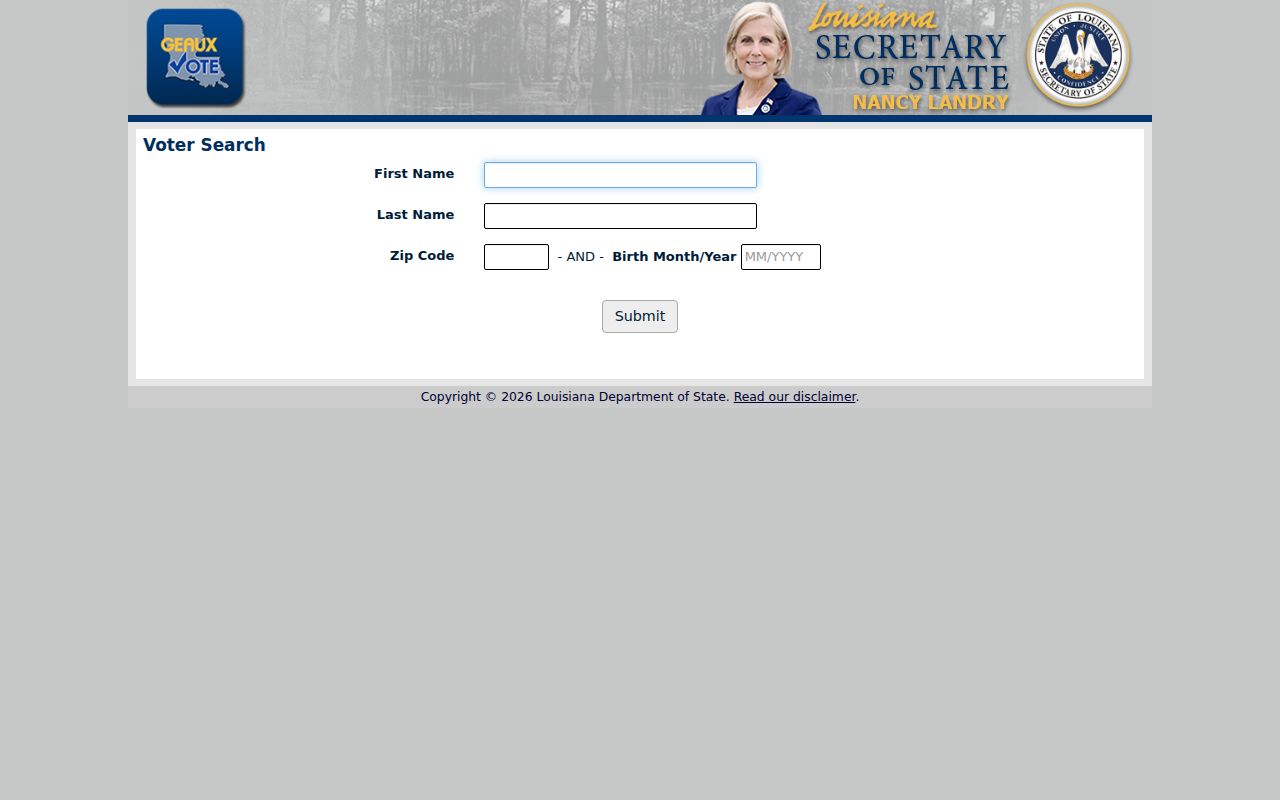
This route confirms one voter, not a household.
Louisiana does sell voter-list products through a defined order process. The published fee sheet covers text, PDF, and mailing-label formats. Selection criteria apply, and advance payment is required. Statutory limits govern that bulk route. It should never be used to rebuild a list of Central households. For a question about one person, the individual portal and the registrar remain the narrower, more useful channels.
Central Names in Business Records
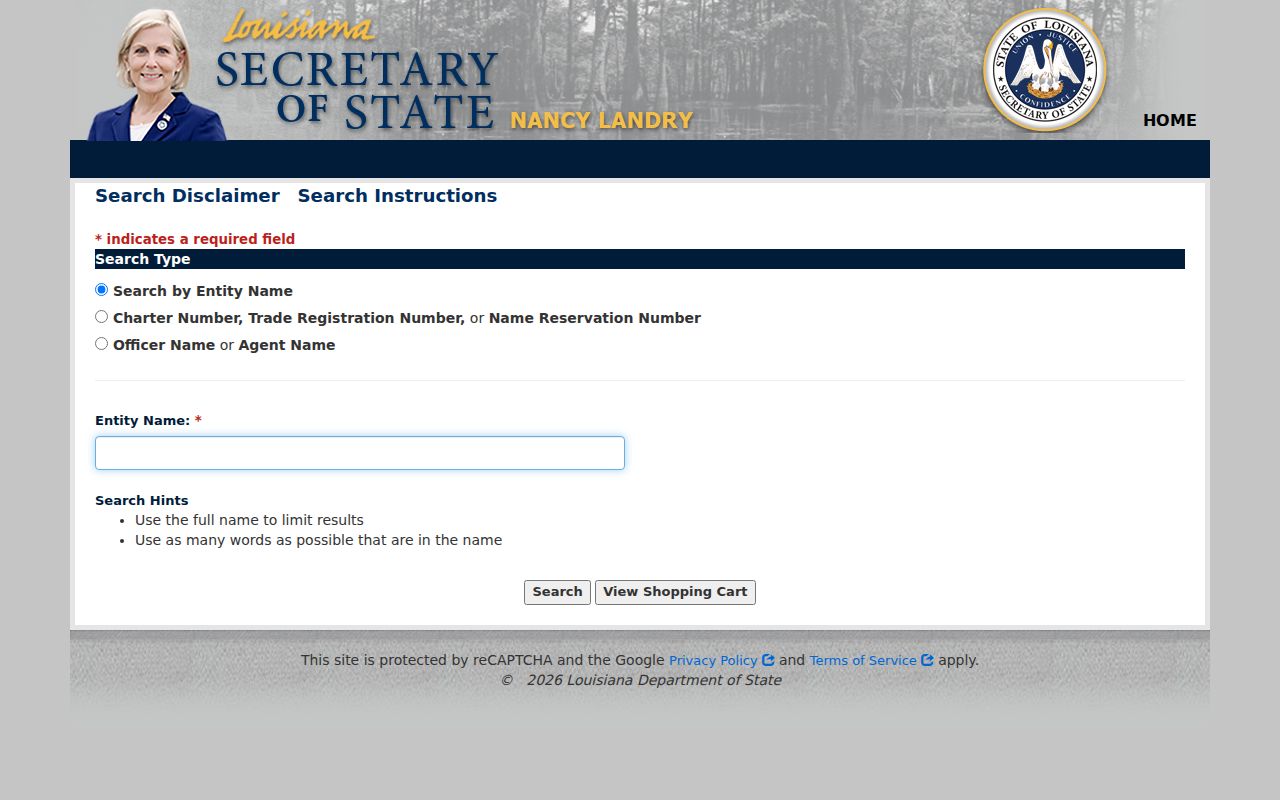
A resident lookup can also start from a business role. The Louisiana Secretary of State Commercial Search accepts an entity name, a charter or trade-name number, or an officer or agent name. A hit establishes a public corporate role and nothing more. It does not show that the agent owns the company or lives at its address.
Contractors follow a separate path. The LSLBC advanced search takes a company, contractor name, license number, city, parish, type, classification, or qualifying-party name. It covers contractors currently licensed or registered in the state.
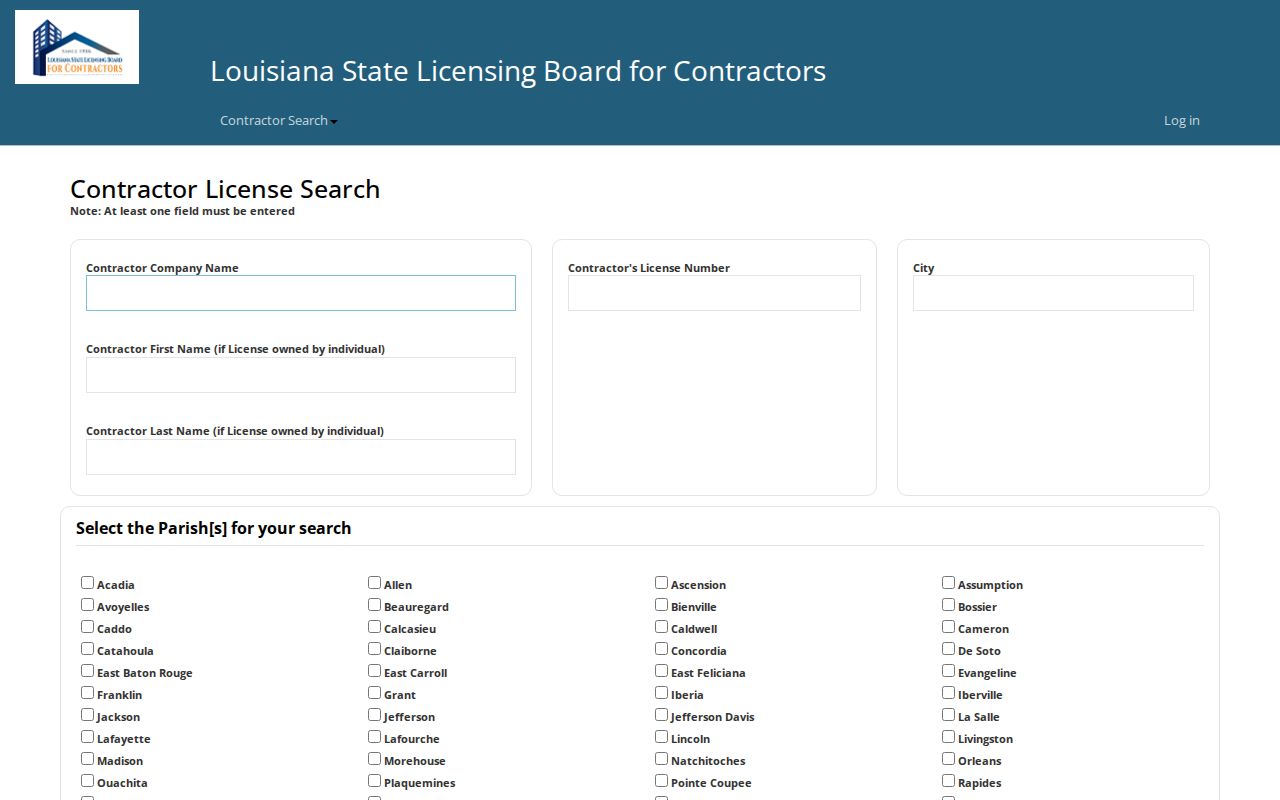
Read that result as a credential record. Qualifier, owner, and resident are three distinct roles, and confusing them leads to bad conclusions.
A local business trail can run from the state entity filing to Central's occupational-license page, to the proper state board, and to a Clerk instrument when property or a secured transaction is involved. City staff publish no complete searchable occupational-license roster. A focused public-records request should name the business, the record type, and a date span rather than asking for every person tied to every license.
Verifying Central Professional Credentials
Louisiana boards each publish their own field sets. The Louisiana Real Estate Commission search lets you query by license type, number, company, name, phone, like-sounding names, street, ZIP, city, and state.
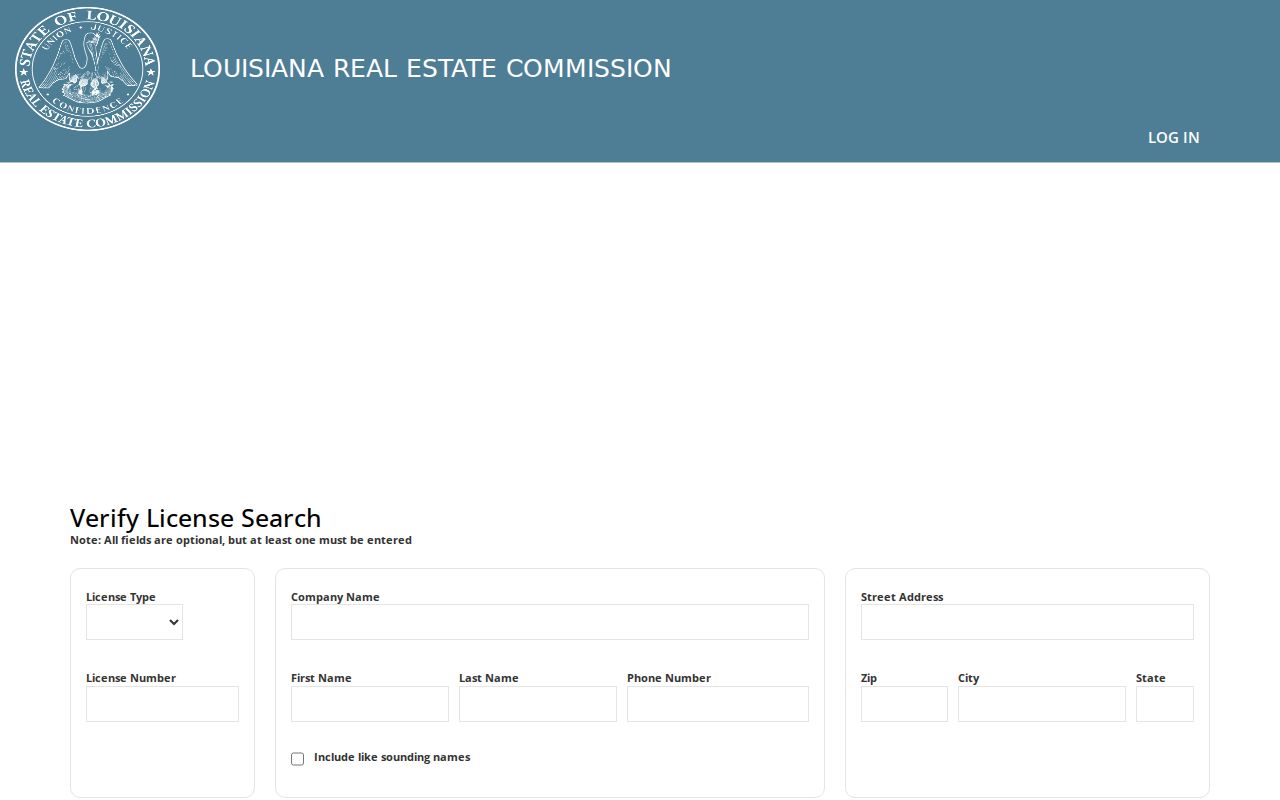
A commission address is a credential field, not proof of a home. The medical and veterinary credential lookup adds license type, number, status, name, maiden name, ZIP, parish, specialty, and practice city to the mix.
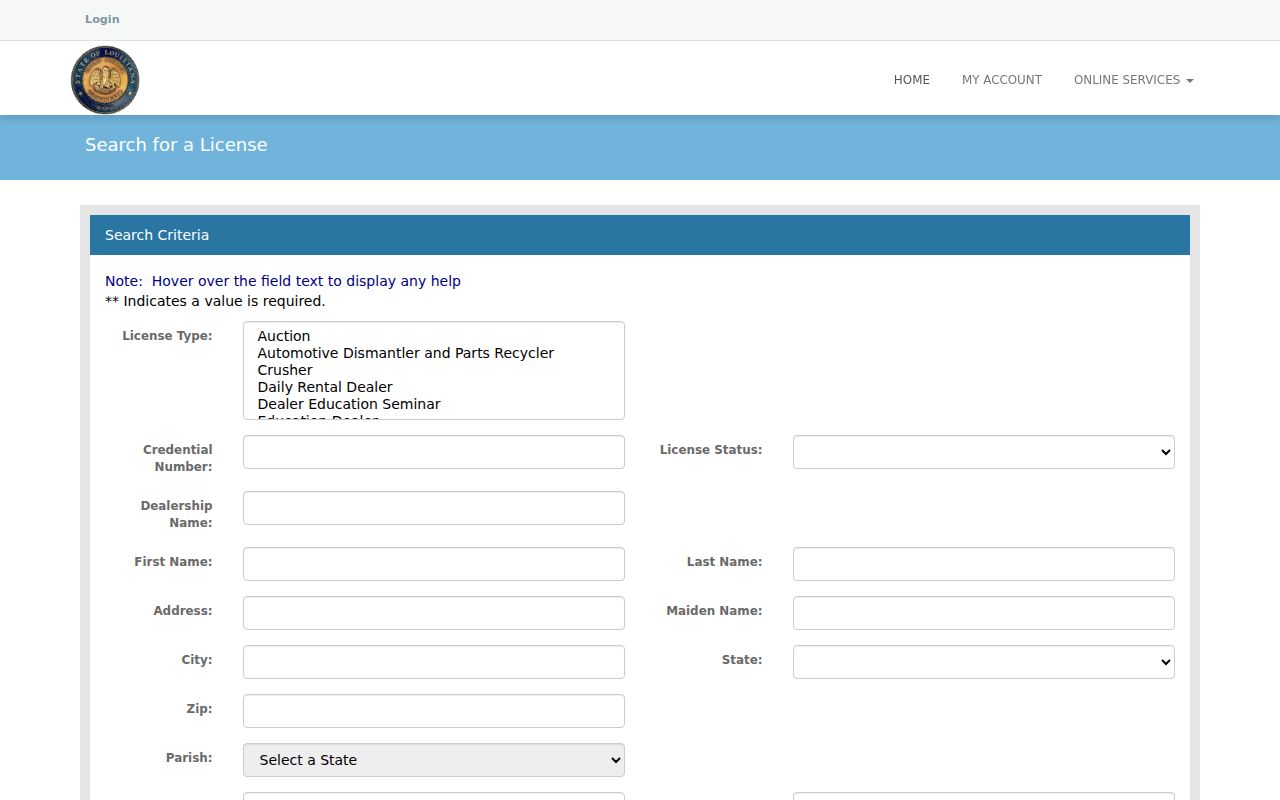
License boards answer credential questions, not residence questions. Write down the credential number, its status, and the board date rather than guessing where someone lives from a practice address. When the board offers exact and like-sounding name search modes, run both separately. Then check the public license number, effective dates, status, specialty, company, and practice city against a second record. A maiden-name field can explain a legitimate name change. Stop there, and do not use it to gather unrelated personal data.
Verify One Central Resident
Tying one person to two independent, dated records is the mark of a sound Central resident lookup. A middle initial helps. So does a former name. A parcel description, a case role, a relative, or a filing date also narrows the match. A shared last name alone should never force the match.
- Choose the official source that fits the known role.
- Search the exact name, then a middle initial, former name, or like-sounding option when offered.
- Compare the date, role, ZIP, legal description, relative, or organization with a second record.
- Ask the custodian for the indexed document or certified copy when the record itself is needed.
- Docket
- The ordered list of filings and events in a court case.
- Index vs image
- An index points to a record; an image shows the filed document and may cost.
- Certified copy
- A custodian-issued copy carrying formal proof that it matches the office record.
Examining a file in person at the EBR Clerk costs nothing. Online access, printing, and certification each carry their own terms. Some older files sit at the courthouse, the former City Hall, or Clerk Archives instead.
Same-name control matters most in Central resident lookup work. One name can belong to a property owner, a voter, a registered agent, a contractor qualifier, and a court plaintiff. Those can all be different people. Demand two independent identifiers, and favor the ones fixed to the record itself. A parcel legal description beats a loose mailing address for a deed question. For a case question, use a filing date and party role. Those say more than the caption alone.
Central Family and Heir Searches
Start a deceased relative or heir search with the EBRPL obituary spreadsheets. The library groups its obituary links by decade, covering the 1940s through 1991. Treat them as newspaper leads rather than certified death records. From there, check probate or succession, marriage records, and recorded property.
Louisiana keeps birth records confidential for 100 years and death records for 50. Eligible applicants use the LDH form with identification, payment, and proof of relationship. Death certificates from June 2012 forward are at the EBR Clerk counter. Older public records transfer to State Archives.
Adoption offers no open name index. The Louisiana Adoption Reunion Voluntary Registry works through passive mutual consent. It lists a one-time fee. Counseling follows a match.
When Central Lookups Go Offline
A failed portal proves nothing about whether a record exists. If Clerk Connect blocks an image or demands payment, use eClerks for a statewide index. You can also inspect the record at the Clerk counter. Another route is to call the right department or mail a focused copy request. Older court and probate files may require a trip to Archives.
Under the Louisiana Public Records Law, name the custodian, the record type, the person or case, the date span, and the format you want. City permits and occupational-license files route through Central's IBTS request page. Parish court, property, and voter records stay with parish custodians.
If SmartCAMA goes down, call the assessor. You can also visit the Central branch for its limited services. A restricted vital record still leaves options. Try the public archive index, the obituary collection, or a lawful eligible application. Historical questions can move to the Central Branch Library, the Baton Rouge Room, the State Library, or State Archives. Keep each fallback aimed at one person, one place, and one time.
Better request. Ask for one named record and date range, not every file connected to a person.
Central Resident Lookup Boundaries
Not every record opens to the public in Central. Vital, adoption, juvenile, sealed, expunged, and protected-victim files may be closed or partly redacted. The same goes for certain financial records. Louisiana runs an Address Confidentiality Program that gives eligible relocated victims a substitute address. It shields both their physical address and phone number. So a missing address in a resident lookup can reflect a safety measure rather than an error.
Wrong information belongs with its custodian. The assessor corrects assessment fields. The Clerk handles recorded indexes. The registrar fixes voter registration. Each board answers for its own credential. When you report an error, quote the exact identifier and the wrong field. Bring only the proof needed.
Lawful use. A Central resident lookup is for lawful personal research. Never stalk, harass, intimidate, or uncover a protected address.