
Walk a Central Street by Address
Start with the parcel. Do not assume that any one list names everyone at a Central address. A Central street directory search works by joining several record types: property ownership, mapped lots, recorded deeds, city planning files, and dated directories. Each one answers a different question. An assessor record can identify an owner, while a deed shows how title changed hands. Postal addresses can also differ from city boundaries or from older printed records. Keeping those distinctions straight helps you find who lives on a street in Central. It also keeps the search accurate for people whose current location is not public.
- Standardize the complete address with the USPS ZIP Lookup. Save both the postal city and ZIP exactly as returned.
- Search the physical address in SmartCAMA, then note the assessment number, situs address, owner, mailing address, and tax year.
- Open EBRGIS or Assessor Atlas. Confirm the parcel, subdivision, lot, adjacent parcels, and map date.
- Use the owner name in the Clerk mortgage and conveyance index. Follow vendor and vendee names through each prior instrument.
- For an earlier household, ask the parish library for a reverse or criss-cross directory and compare the dated entry with deeds and tax rolls.
The flow runs from address to parcel, parcel to owner, and owner to deed. Stop when the record actually answers your lawful personal, family-history, estate, or property question. A matching name elsewhere on the road proves nothing. Without a parcel, a date, or another tie, it is not a match at all.
Search Central Property Fields
The East Baton Rouge SmartCAMA search accepts several address parts. A failed exact search need not end the work. Start with the street number and name. Check the postal form before trying the city or ZIP alone. The portal offers current and prior-year views but publishes no earliest online year.
| Search field | Input | How it helps |
|---|---|---|
| Owner name | Text | Finds assessments tied to a named owner. |
| Street number | Text | Narrows a physical or situs address. |
| Street name | Text | Supports a by-street search without guessing the suffix. |
| City and ZIP | Text | Refines the physical address, not legal city limits. |
| Assessment number | Text | Returns to a known parcel record. |
A result may list an assessment number, physical address, primary owner, ownership share, active status, assessed values, exemptions, and tax-year context. The mailing address comes from a recorded property transaction. It can differ from the situs address.
Map Central Lots with EBRGIS
The EBRGIS Property Lookup covers the whole parish, Central included. Address Number or Street Name is required. Subdivision, Business Name, NAICS Code, and Lot Identification Number offer alternate paths. The official maps directory credits EBRGIS with managing address, boundary, property, land-use, road, and infrastructure data. The EBRGIS address and lot screen shows why a Central street directory should carry more than one identifier. A lot number or subdivision survives even when the postal wording of a street changes.
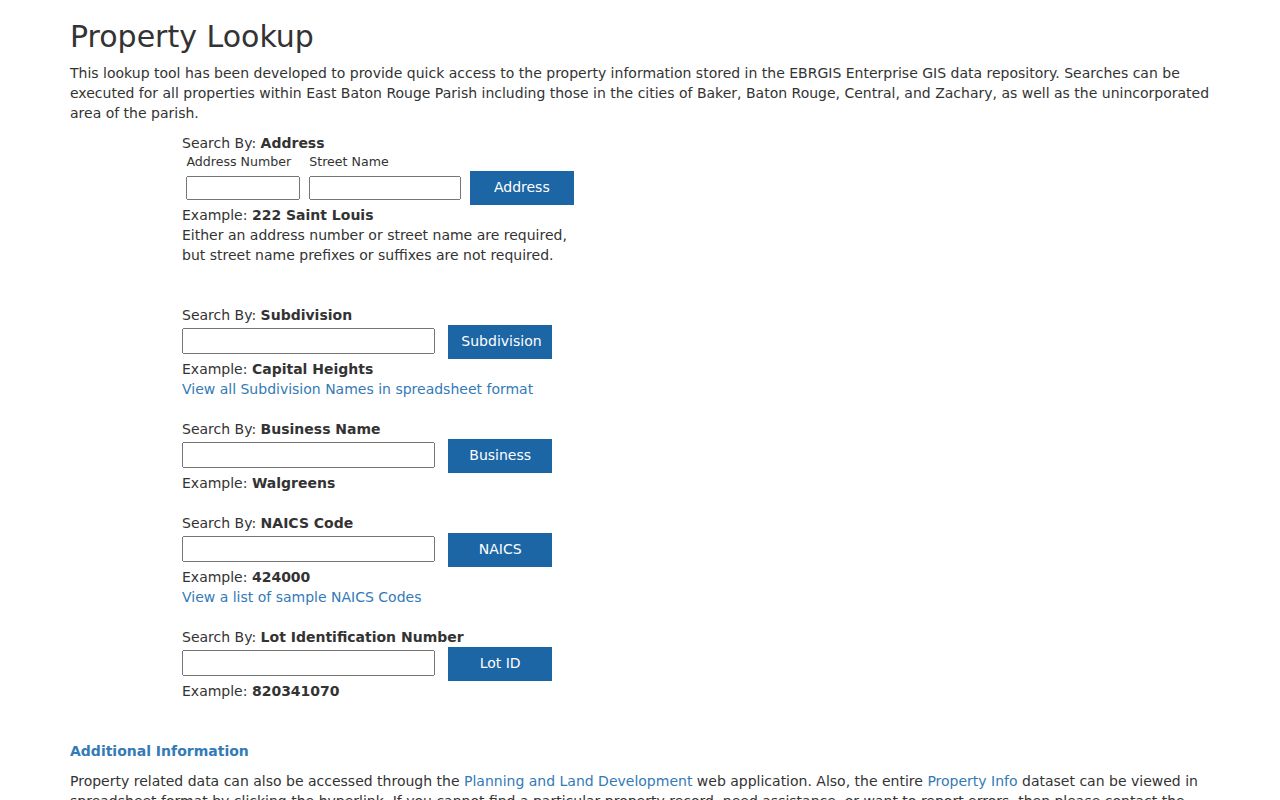
Address, subdivision, business, NAICS, and lot-based routes all sit inside the same lookup. Save the map date when you use it. GIS layers can change over time.
Central Street Directory Record Set
No single file serves as a resident roll for Central. Each of these address-keyed sources establishes ownership, parcel context, recorded acts, city activity, or a dated historical connection. Read them together and keep each source's limits in view.
| Record Set | Keeper | What It Shows | Access |
|---|---|---|---|
| Assessment card | EBR Parish Assessor | Owner, mailing and situs leads, values, exemptions | SmartCAMA or assessor counter |
| Parcel map | EBRGIS and Assessor Atlas | Lot, subdivision, shape, nearby parcels, mapped context | Free viewers and data links |
| Deeds and mortgages | EBR Parish Clerk | Parties, date, legal description, prior acts | Clerk Connect or free counter inspection |
| City planning file | Central and IBTS | Permit, zoning, subdivision, inspection, or code material | Online application route or focused request |
| Historic directory | EBRPL, State Library, archives | Dated name and address entry | Staffed library, catalog, or microfilm |
The assessment number and legal description make stronger joins than a name alone. Use the parcel to connect SmartCAMA results with deeds and maps. Then use the dated street label to check directories or municipal files. The Sheriff tax-payment search is useful for payment status. But it is no substitute for the assessor's ownership record.
Follow Central Deeds Along Streets
The East Baton Rouge mortgage and conveyance office indexes property acts by party role. In a sale, the vendor is the seller. The vendee is the buyer. Search a current owner as vendee, then open the instrument. Follow the named vendor backward. Record the date, original or bundle number, legal description, map reference, and any cited prior act. The Clerk's mortgage and conveyance guidance spells out these party roles on the official page.
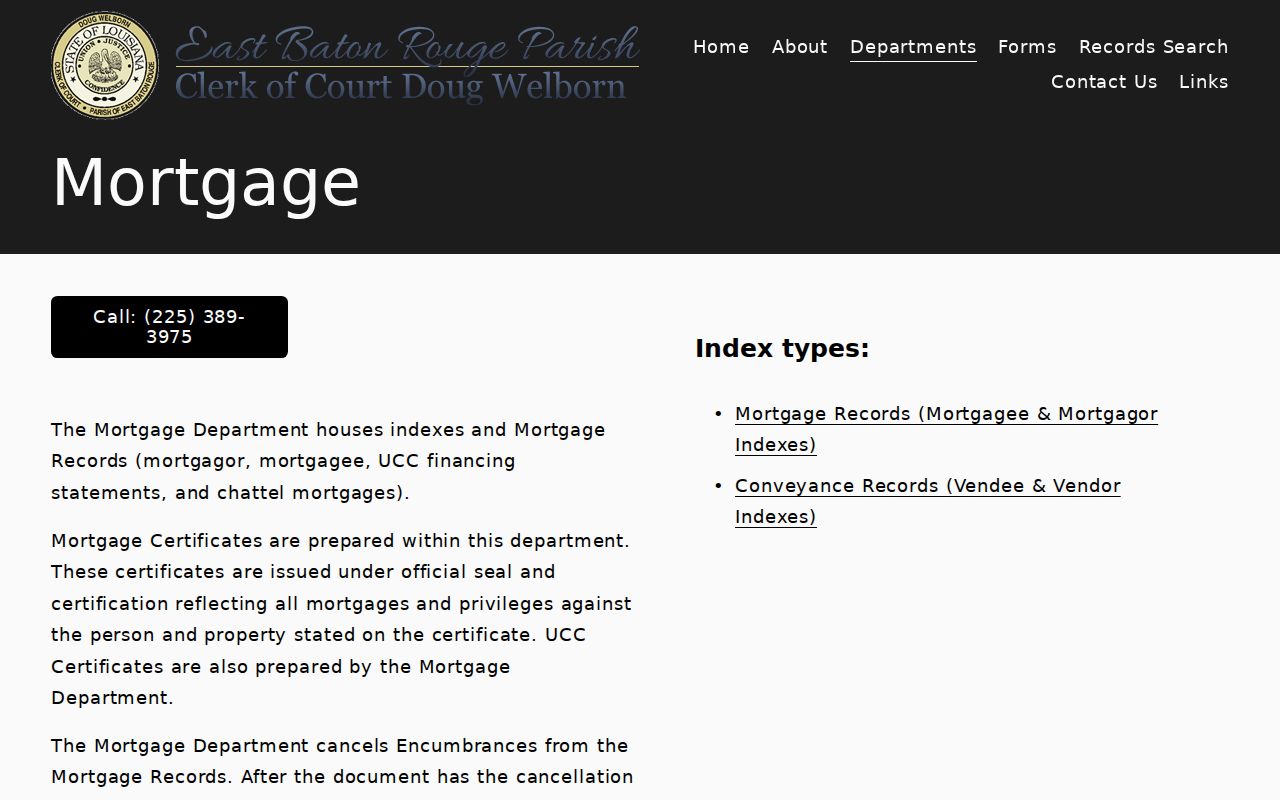
That official page supplies the local role terms you need to walk a chain correctly. An index hit is not the full deed. It is only a route to the instrument. The eClerks statewide portal adds a second route across Louisiana parishes. Its overview introduces the statewide land and civil scope.
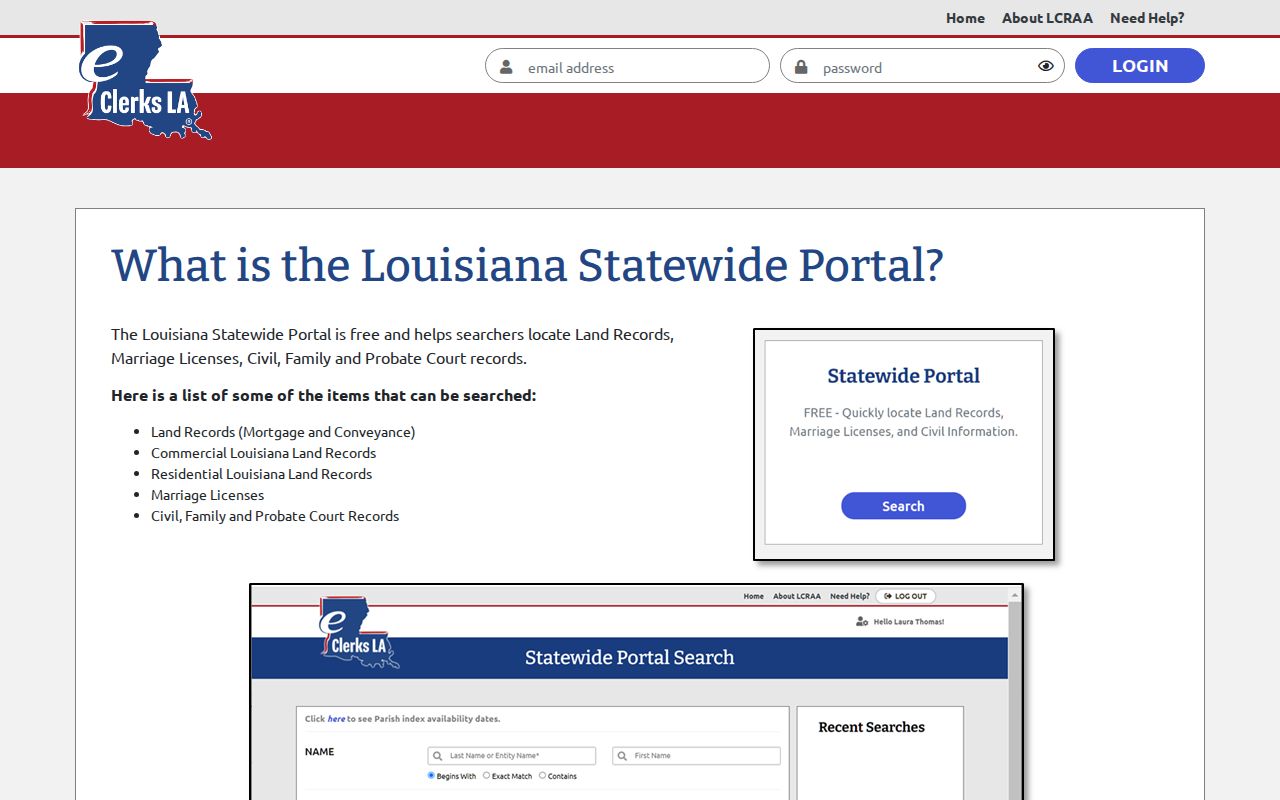
The statewide scope helps when an owner or instrument crosses parish lines. Access and image terms vary by parish. Free in-person examination remains available through the EBR Clerk.
Central Street Permits and Zoning
Central routes planning applications through GovWell and permit work through GOVmotus. Neither publishes a reliable address-search result list on its static public pages. For a specific parcel, file a City of Central public-record request naming the address, date range, record type, and desired format. The Central planning and zoning page covers rezoning, planned unit developments, conditional uses, site plans, subdivisions, and Board of Adjustment matters.
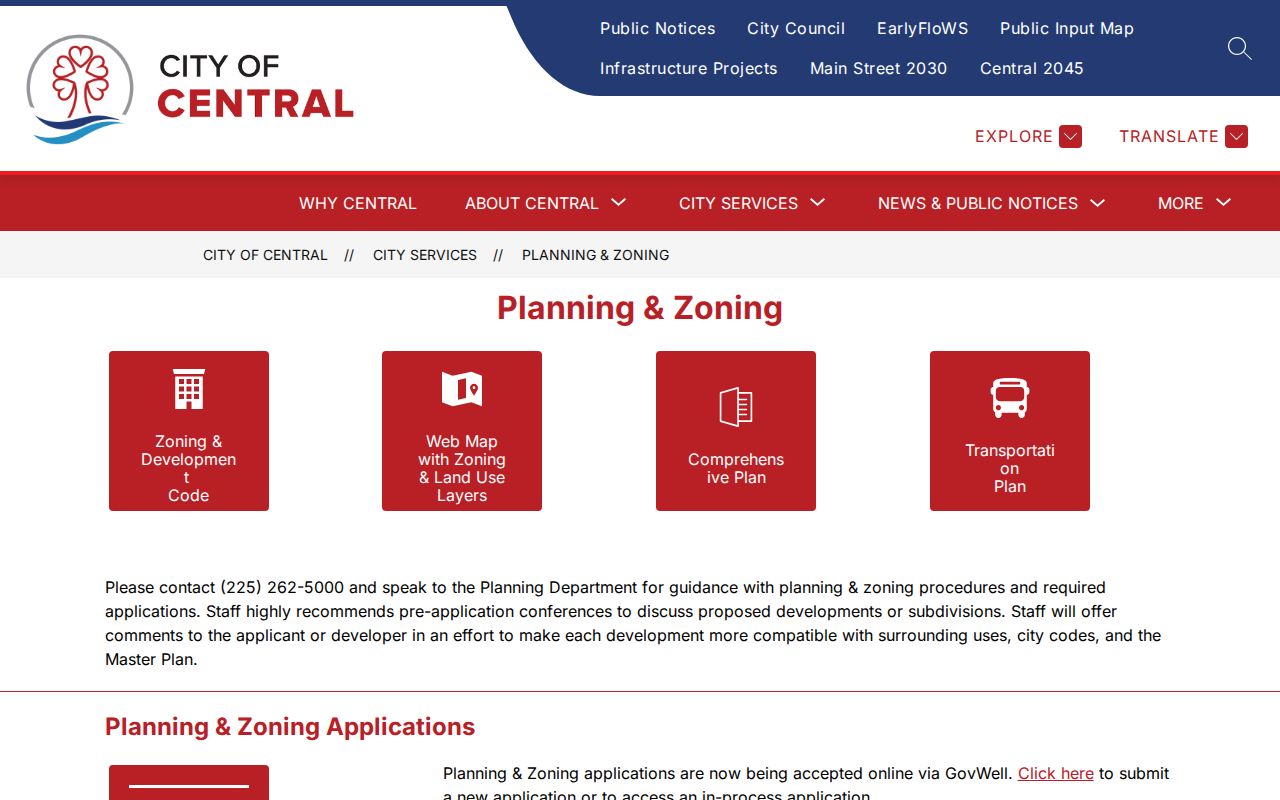
Treat that page as a routing point for a street file. It is not proof that an applicant lives at the project address. IBTS serves as the city custodian or authorized responder under Louisiana law.
Central Street Names and ZIP Clues
ZIP codes in Central behave oddly. The principal listed ZIP is 70818, but a full USPS result may name Baton Rouge as the postal city. Older records and service material also carry 70739, and several Census ZCTAs cross the municipal map. None of this means a parcel moved; it is simply how postal and census geography overlap here.
Keep every version of an address you find in an official record. Search the street without its suffix. Try the former postal city. Hold on to subdivision and lot details too. The Central ZIP code directory sorts delivery labels from mapped statistical areas before street-level work begins.
Note: USPS validates mail delivery, while the assessor and the city define different geographic and record relationships for one Central address.
Read Central Address Terms
Four terms prevent common street directory errors. Each describes a different part of an address and its land record.
- Parcel
- A mapped tract identified for assessment and land records.
- Situs address
- The physical location of the parcel, distinct from the owner's mailing address.
- Plat
- A recorded map showing lots, blocks, roads, or subdivision boundaries.
- Criss-cross directory
- A dated directory arranged by street or phone number instead of only by surname.
Historical searches run deep in Central. The Clerk Archives advertises parish records from 1782 and tax rolls from 1872. The 1963 to 1985 map index can also bridge an older subdivision reference to modern GIS.
Central Street Records at Counters
Online access is only one part of a Central street directory search. The East Baton Rouge Parish Assessor keeps a main office at 222 St. Louis Street, Room 126, plus a limited-service Central branch at 14790 Wax Road, Suite 109. The branch handles some assessor work, including homestead filing. Call 225-389-3922 before counting on it for a detailed parcel-history question. The main office number is 225-389-3920.
The Clerk's Mortgage and Conveyance office and Archives sit in Baton Rouge. Central is not the parish seat. Anyone may examine public records at the Clerk without charge. Copies, certified copies, maps, and online access each carry separate charges. The inspected copy schedule lists $1 per page. Certification costs $10. A map copy runs $3. Verify the current amount before ordering. For older material, the Archives at 444 St. Louis Street is the key fallback.
Assessor
East Baton Rouge Parish Assessor offices
Property and assessment questions
225-389-3920
Clerk Records
East Baton Rouge Parish Clerk contacts
Deeds, maps, copies, and archives
Property research: 225-389-3979
A focused request saves time at any counter. Give the complete street address, party names, approximate dates, subdivision or lot, instrument type, and any known record number. State up front whether an index inspection, plain copy, certified copy, or plat is needed.
Date Every Central Street Match
Street evidence shifts by source and year. SmartCAMA shows current and prior assessment views. A deed fixes a transaction to its recording date. Tax rolls can surface an ownership lead for an earlier year. A criss-cross directory offers a publication snapshot. A map may preserve a subdivision or road form yet name no resident at all. Put the date beside every result before joining two records.
Central's 2005 incorporation is a major dividing line. A municipal permit or zoning file cannot predate the city's legal creation. The land and families are far older. Before 2005, search parish records. Also try place variants such as Baton Rouge, Greenwell Springs, Pride, Comite, Hooper Road, and Sullivan Road. The parish record base carried on even after the municipal label changed.
Take a stubborn address step by step. Compare the current parcel with the Clerk's 1963 to 1985 map-index groups. A recorded subdivision map, lot, neighboring parcel, or legal description can bridge a changed street number. It does this more reliably than a mailing line. Then ask EBRPL reference staff for the right items. The directory year, map, obituary group, newspaper, yearbook, or Baton Rouge Room file should fit the date.
Limits of a Central Street Directory
An assessor owner is not always the current occupant. A mailing address may belong elsewhere, and a company or trust may hold title. USPS says its lookup does not establish who lives or operates at an address. The public voter portal excludes protected fields and deliberately avoids linking voter and address records. People protected through Louisiana's Address Confidentiality Program use a substitute address. Their physical address stays nonpublic.
Older household evidence is date-bound too. A directory entry shows the publication's snapshot, not a current residence. For the full historical shelf and how to read those entries, use the Central city directory collections. Ask a custodian for a focused record when a portal fails. Do not fill the gap with a guess.
Lawful use. Use Central address records only for lawful personal, family, estate, property, or civic research. Never use them to stalk, harass, intimidate, or expose a protected person.